5 pro tips for Longevity: Building Strength for the Long Haul
Longevity. It’s not just about living longer, it’s about living better, staying strong, and maintaining vitality through every stage of life. But how do we achieve this? How can we optimise our bodies today to safeguard our health for tomorrow?
Inspired by a recent episode of The Diary of a CEO podcast, The Longevity Debate, featuring four leading female experts in women’s health, this blog explores some actionable strategies for improving physical health and resilience, especially for women. Whether it’s understanding how to build stronger bones, boosting VO₂ max, or reaping the benefits of creatine beyond the gym, this piece consolidates key insights to help you navigate toward long-term health.
Bone Strength: Building a Foundation That Lasts
We were told from an early age to drink up our milk to make us strong. But strong bones become even more important as we age—they are the foundation for mobility and independence, and research shows that building bone density early in life is key to preventing fractures and osteoporosis later on.
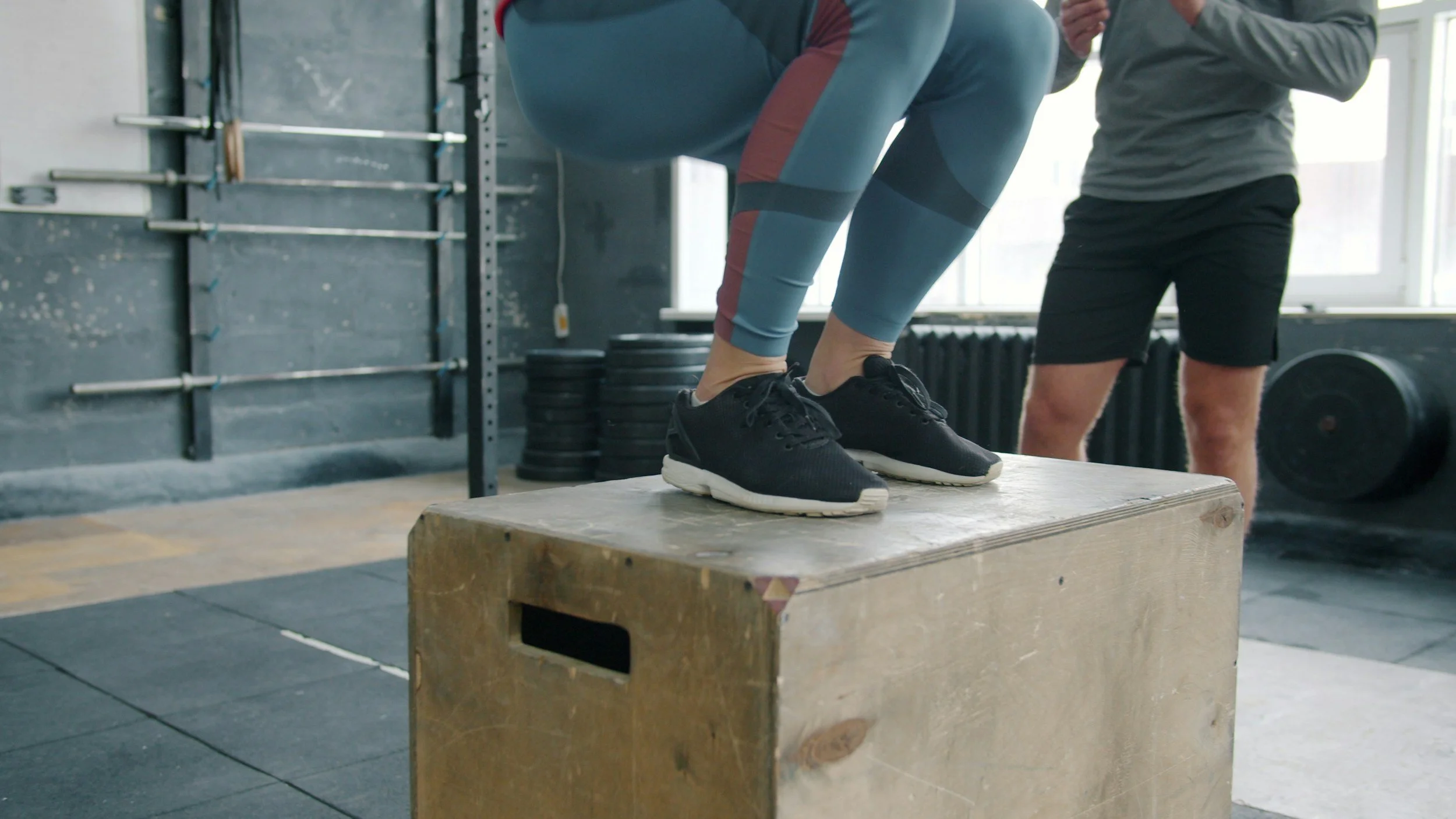
To truly strengthen bones, you need more than a calcium fix—you need multidirectional stress, which comes from exercises like jump training and plyometrics. When you land during these exercises, the ground reaction force creates stress that signals your bones to become stronger. Think of it as a construction project for your skeleton—each landing lays another brick.
Actionable Tip: Consider adding plyometric exercises like jump squats or box jumps to your weekly routine. And if you’re new to this type of movement? Start small. Even simple exercises like hopping on one foot can introduce beneficial stress to your bones.
VO₂ Max: The Key to Cardiovascular Longevity
VO₂ max—a measure of how efficiently your body uses oxygen—is one of the best indicators of cardiovascular fitness and longevity. Improving it doesn’t require hours slogging away on a treadmill. Instead, high-intensity interval training (HIIT) is the most efficient way to boost VO₂ max.
Dr. Stacy Sims, a leading researcher in female physiology, recommends the Norwegian 4x4 protocol: four minutes of maximum effort, followed by four minutes of rest, repeated four times. This high-intensity approach creates adaptive stress on the heart and muscles, leading to epigenetic changes (these are literal modifications to DNA that control gene activity—turning genes "on" or "off"—without altering the actual DNA sequence). These changes improve oxygen utilisation and overall health.
Actionable Tip: Incorporate one session of VO₂ max training into your weekly routine. Start with shorter intervals (e.g., 1-minute sprints followed by 2 minutes of rest) if you’re not ready for the full 4x4. As always, listen to your body and build gradually.
Strength Training: Lift Heavy, Live Long
One of the most effective ways to promote longevity is lifting heavy weights. Strength training not only increases muscle mass but also strengthens bones, improves joint function, and protects against age-related decline.
Dr. Vonda Wright, an orthopedic surgeon focused on longevity, emphasizes the importance of compound lifts—exercises like squats, deadlifts, and bench presses. These movements recruit multiple muscle groups, making them incredibly efficient. For long-term benefits, aim to lift heavy for fewer reps, two to four days a week.
Actionable Tip: Start small but consistent. Focus on mastering one compound lift at a time, and supplement it with supporting exercises. Pair strength days with low-intensity activities like brisk walking or yoga to aid recovery and promote balance.

Time-Restricted Eating: Aligning with Your Body’s Clock
Intermittent fasting often grabs headlines, but for women, time-restricted eating (TRE) tailored to the circadian rhythm is more effective. Dr. Natalie Crawford, a fertility doctor, explains that eating within a 12-hour window and starting the day with a balanced meal can help regulate hunger hormones like cortisol and ghrelin.
In addition to regulating metabolism, cortisol also helps manage stress, blood sugar, inflammation, and blood pressure.
By eating within 30 minutes of waking and finishing meals a few hours before bedtime, you allow your body to focus on recovery and repair during sleep. This approach also supports hormonal balance, gut health, and metabolism.
Actionable Tip: Try eating your first meal within half an hour of waking, ensuring it includes protein and fibre. Gradually narrow your eating window to 12 hours, like 8 am to 8 pm, and notice the impact on your energy and digestion.
The Creatine Advantage: Beyond Bodybuilding
Creatine is often associated with bodybuilding, but its benefits extend far beyond the gym. As Dr. Mary Claire Haver explains, creatine supports brain health, cognitive function, and gut health, in addition to improving muscle recovery and performance.
Women naturally have lower creatine stores than men, which can contribute to fatigue and slower recovery. Supplementing with 3-5 grams of creatine daily can saturate tissues and provide significant health benefits, from better focus to improved resilience against stress.
Actionable Tip: Add creatine to your daily routine, starting with the recommended dose of 3 grams. Pair it with a high-fibre diet to maximize its benefits for gut health and energy levels.
An Invitation
With so much information, it’s easy to feel overwhelmed. But longevity isn’t about overhauling your lifestyle overnight—it’s about layering small, sustainable changes over time.
Here’s a sample weekly plan for longevity based on the podcast’s insights:
2-4 Days of Strength Training: Focus on heavy, compound lifts for fewer reps.
1 Day of VO₂ Max Training: Try the Norwegian 4x4 or shorter sprints if you’re a beginner.
2 Days of Low-Intensity Activity: Brisk walking, yoga, or stretching for active recovery.
Optional Plyometrics: Incorporate jump training to strengthen bones.
Time-Restricted Eating: Stick to a 12-hour eating window and focus on protein and fibrr at every meal.
Creatine Supplementation: Take 3-5 grams daily for cognitive, muscular, and gut health.
Longevity Is a Marathon, Not a Sprint
The path to longevity isn’t about perfection—it’s about consistency. By incorporating even one or two of these strategies into your routine, you’re casting a vote for your future self. Whether it’s picking up a barbell, tweaking your eating schedule, or adding a sprint session to your week, every small action matters.
As the experts in The Longevity Debate reminded me, it’s never too early—or too late—to start investing in your health. Your body is your ultimate compass, so gear it toward a future of strength, vitality, and resilience.
What are you doing to tack Rough_North? What habit or practice will you commit to this week to promote your longevity? Share your thoughts in the comments below or with a friend who needs a little inspiration.