Reduce Food Waste: Small Changes, Big Impact
When we think about the changes we can make to live more sustainably, it’s easy to feel disheartened. After all, systemic changes often hold the biggest promise for a healthier planet, and our small, individual actions can seem insignificant by comparison. However, one impactful change we can all take accountability for, and with relative ease, is by reducing our food waste.
Reducing food waste isn’t just good for the planet; it’s also great for our wallet. It’s one of the simplest and fastest ways to protect the environment while saving money.
The True Cost of Food Waste
According to WRAP (Waste and Resources Action Programme), a UK-based global environmental NGO working to create circular living systems:
Every year, UK households throw away 4.4 million tonnes of edible food, valued at an eye-watering £17.5 billion. That’s an average of £1,000 wasted per household of four annually!
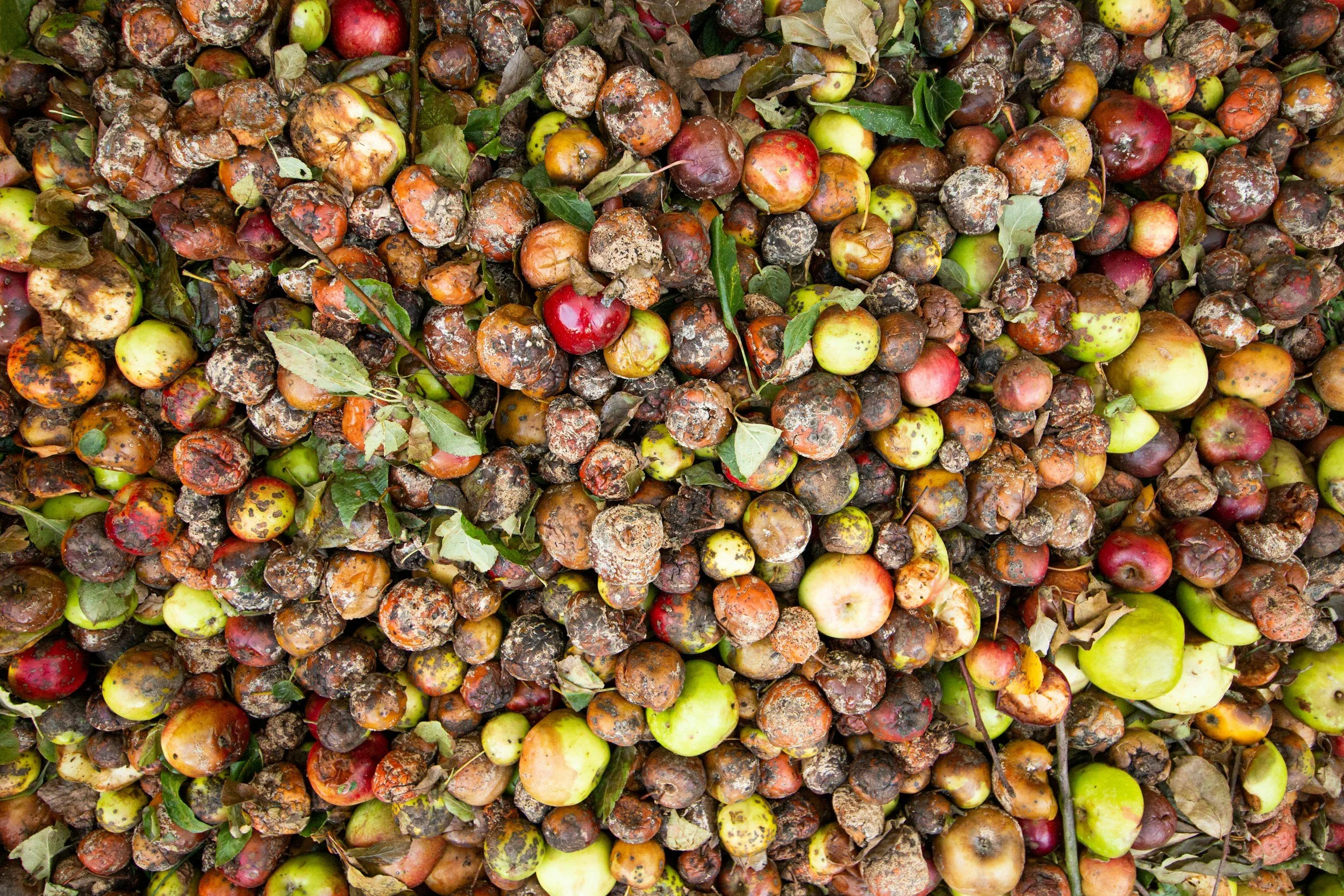
Globally, the picture is even starker:
1.3 billion metric tonnes of food are wasted every year.
If food waste were a country, it would rank as the third-largest greenhouse gas (GHG) emitter, behind only the United States and China.
60–80% of biodiversity loss is directly linked to food-related agriculture.
Global demand for fresh water is projected to exceed supply by 40% by 2030, largely due to agriculture.
While organisations like WRAP advocate for systemic action, 60% of food waste happens in our homes. This creates a staggering 16 million tonnes of greenhouse gas emissions annually in the UK alone.
Why Food Waste Hurts the Planet
When food goes to landfills and decays anaerobically, it produces methane, a greenhouse gas 86 times more potent than carbon dioxide over a 20-year period. Food waste is estimated to contribute 8–10% of global greenhouse gas emissions, ranking as a major driver of climate change. In fact, 58% of fugitive methane emissions in municipal solid waste landfills come from food waste.
What’s the solution? It starts with reducing food waste at the source and composting what’s left.
Composting, the natural process of recycling organic matter like food scraps into nutrient-rich soil, diverts food from landfills, reduces GHG emissions, and supports healthier soils.
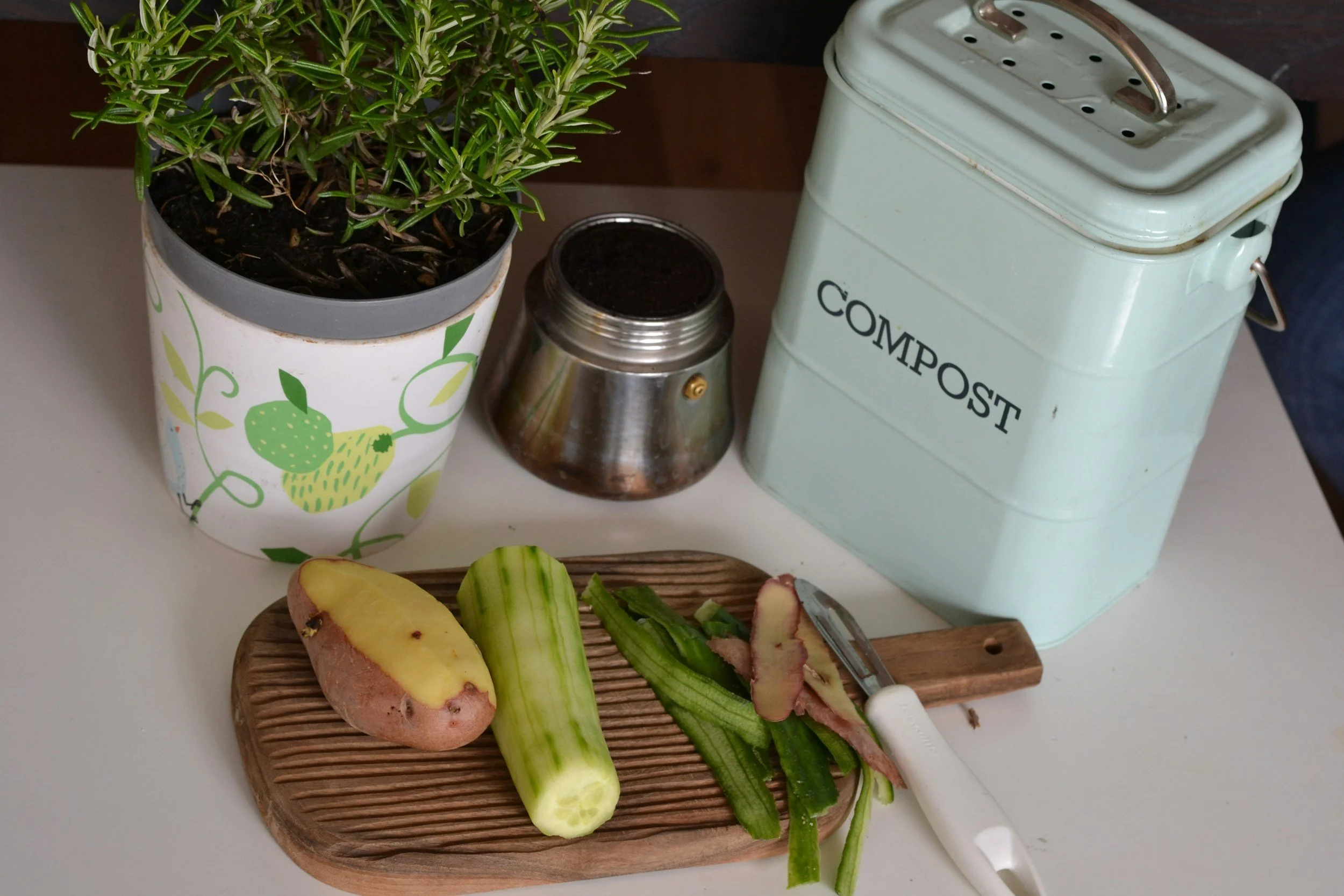
An Invitation: 10 Simple Tips To Help Reduce Food Waste:
Reducing food waste doesn’t need to feel overwhelming. Here are 10 easy, practical ways to make a big difference in your home:
Inventory Before You Shop Do a quick check your fridge, cupboards, and freezer before heading to the shops to avoid buying duplicates of items you already have.
Understand Date Labels “Best Before” is about quality, not safety. Only discard food with clear signs of spoilage, like an off-smell or mold.
Strategic Meal Planning Plan meals for the week and create a shopping list based on your plan. Be specific—e.g., “salad greens for two lunches”—to prevent overbuying and food spoilage.
FIFO: First In, First Out When unpacking groceries, move older items to the front and place newer ones at the back. This helps ensure older items get used first.
Store Produce Properly Keep ethylene-releasing fruits like bananas, apples, and avocados separate from other foods to slow ripening.
Buy the “Ugly” Veggies Opt for imperfect fruits and vegetables that often go to waste despite being nutritious. Many retailers offer discounts on these.
Revive & Preserve Wilted vegetables? Revive them by soaking in ice water for 10 minutes. Store fresh herbs like basil in a jar of water (like flowers) to extend their life.
Befriend Your Freezer Freeze leftovers, bread, or dairy products before they expire. Flash-freeze berries or sliced fruit on a tray before storing them in bags to prevent clumping.
Make a “Leftover Night” Dedicate one evening a week to using up leftovers or odds and ends in your fridge. Apps like Kitche (FREE!) or MOB Meal Plans let you search recipes by ingredient to creatively reduce waste.
Compost as a Last Resort When food has truly gone bad, compost it rather than throwing it away. This recycles nutrients back into the soil and reduces the methane methane emissions from landfills.
Small Actions, Big Impacts
As daunting as systemic problems like climate change may be, reducing food waste in our homes is a tangible way to take meaningful action. Small changes, like planning meals, freezing leftovers, and composting scraps, add up to a healthier planet and wallet.
To dive deeper into the fight against food waste by checking out WRAP’s website for more information on their systemic initiatives, or listen to the episode, "Are You Wasting Too Much Food?" on Deborah Meaden’s podcast, The Big Green Money Show to learn more about how to reduce food waste and the benefits.
What are you doing to tack Rough_North and reduce food waste in your home this week? Share your thoughts or favourite tips in the comments below!